Structured by area and task
Model sites, departments, workstations and tasks. Group similar workstations instead of assessing each one separately.
Risk assessment
EHS Go guides you through the assessment of every work area – from hazard identification and risk rating to an effective control. The outcome is not a binder on a shelf but a structured record that is easy to keep current.
In practice
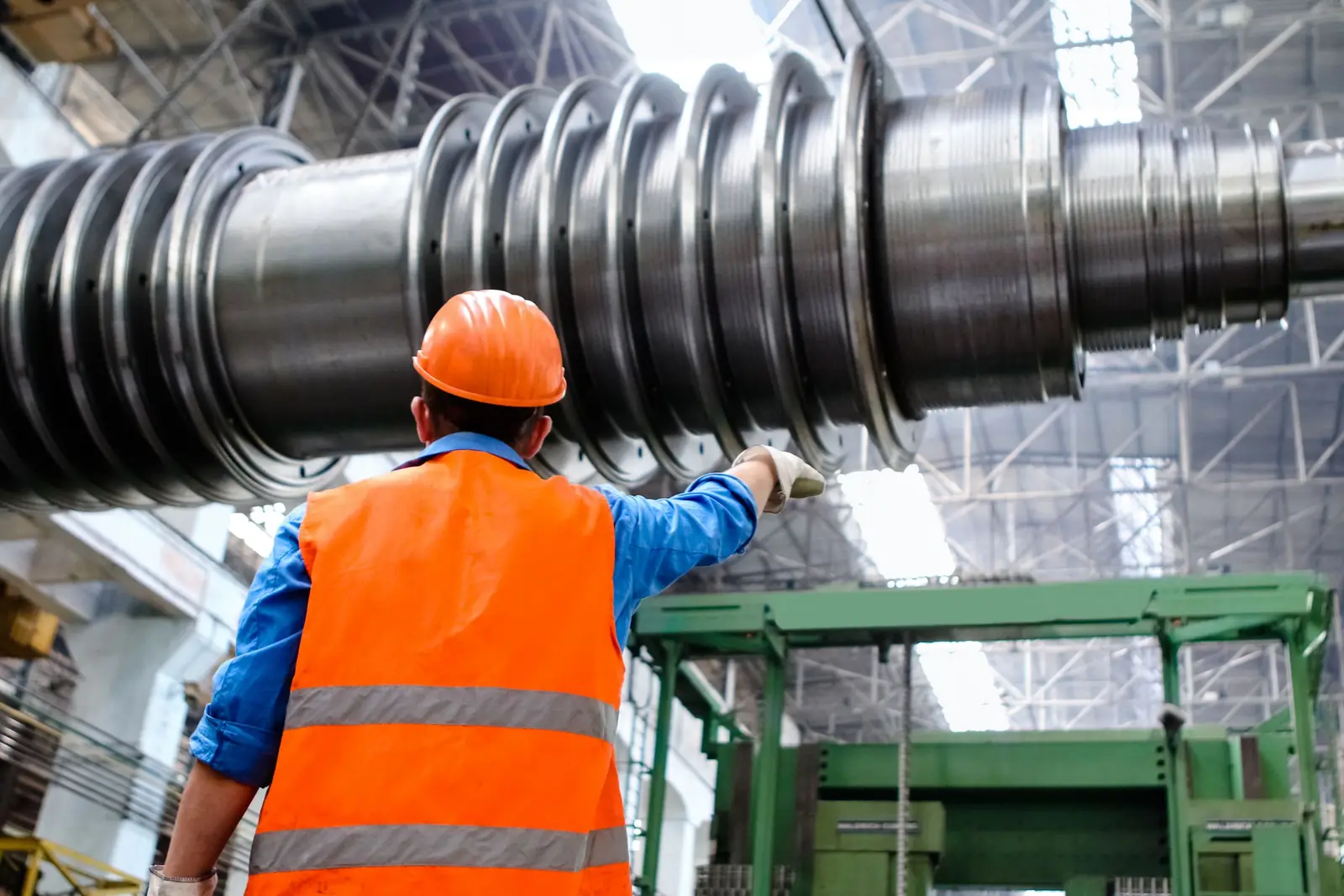
In a plant with lathes, presses and crane runways, every workstation brings its own hazards. EHS Go structures the assessment by hall, machine and task – from set-up through running operation to maintenance – and shows at a glance where controls are still open.
01Features
Model sites, departments, workstations and tasks. Group similar workstations instead of assessing each one separately.
Guiding questions for each hazard type, each linked to the relevant rule – for example the German technical rules for workplaces (ASR).
Likelihood and potential severity produce a transparent rating – before and after a control has been implemented.
The AI proposes typical hazards, wording for the current situation and suitable controls. Nothing is applied until you confirm it.
Use the mobile app to capture conditions at the workstation – with a photo, text or dictation.
Every version is retained with date and author. Export a single area or an entire site for authorities and auditors.
02Workflow
Define the units of assessment, name the people involved and import existing documents.
Work through the hazard types, describe the current situation and place the risk in the matrix.
Select controls following the hierarchy of controls. Each control gets an owner and a due date.
Confirm effectiveness once a control is in place. When operations change, update only the affected part.
03Legal basis
The EU Framework Directive 89/391/EEC obliges every employer to hold an assessment of the risks to safety and health at work. In Germany, section 5 of the Occupational Safety and Health Act (ArbSchG) requires the assessment to cover psychological stress, and section 6 requires the results and controls to be documented. Internationally, ISO 45001 sets out a comparable process for hazard identification and risk assessment.
Key regulations
This overview does not constitute legal advice.
04Working together
05Questions and answers
German law does not set a fixed interval. A review is due when processes, equipment or substances change, after accidents and near misses, and whenever there are signs that controls are not working. Many organisations also review on a fixed cycle, for example once a year.
Yes. During onboarding we migrate existing assessments from Word, Excel or other systems so you do not start from scratch.
Yes. Psychological stress is one of the hazard types you assess in EHS Go. It is documented and linked to controls in the same way as any other hazard.
You decide through roles and permissions – for example, line managers for their own area and the safety specialist across all sites. Read-only roles see the approved version only.
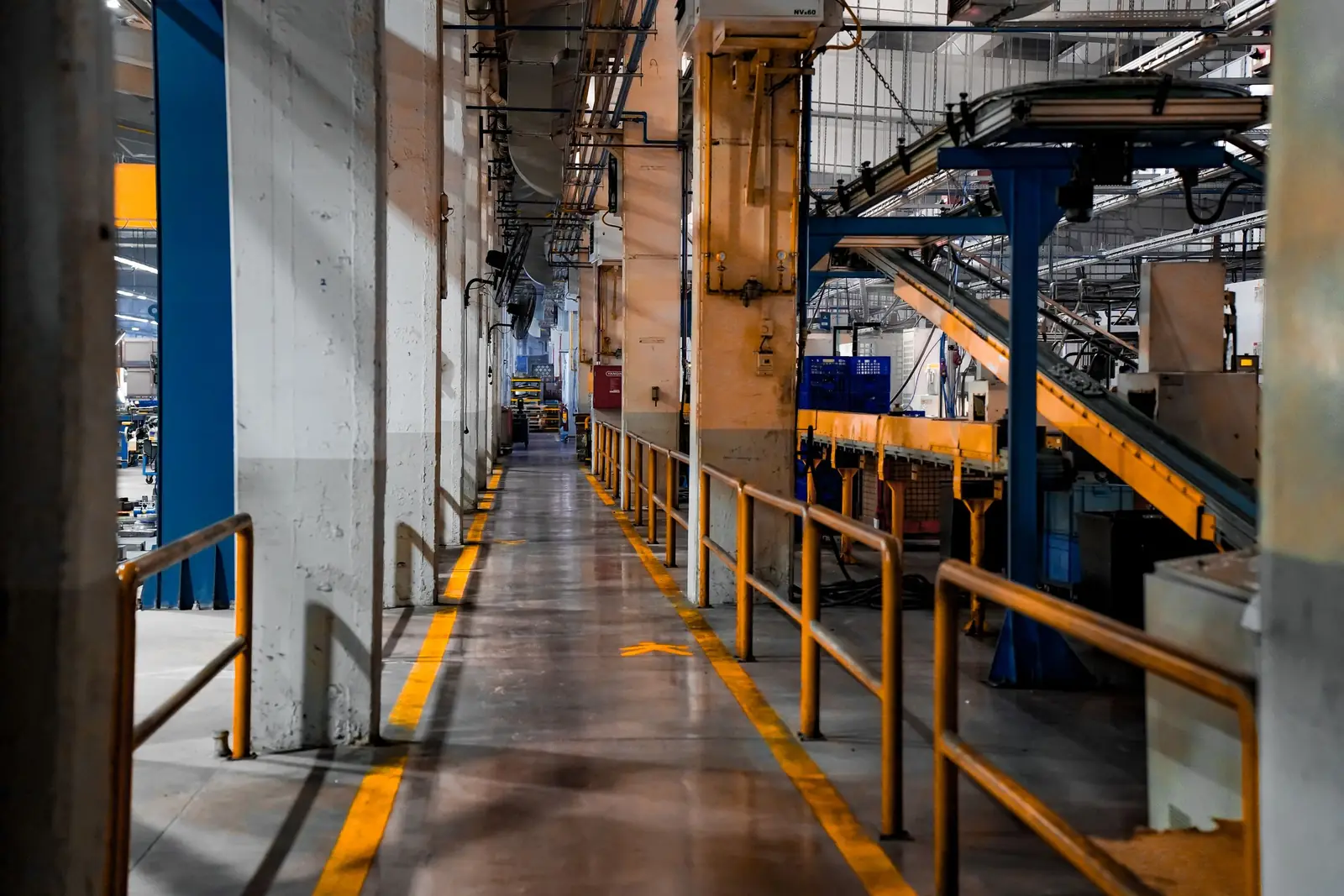
In a personal demo we walk you through the platform based on your plants, halls and processes – and answer your questions on onboarding, data protection and cost.