AI-assisted SDS capture
Upload the data sheet as a PDF. The AI identifies classification, hazard statements, storage class and protective measures, citing the section each value came from.
Chemical management
Each new product arrives with a 16-section safety data sheet and obligations for the register, operating instructions and training. EHS Go takes care of data entry and links the information wherever it is needed.
In practice
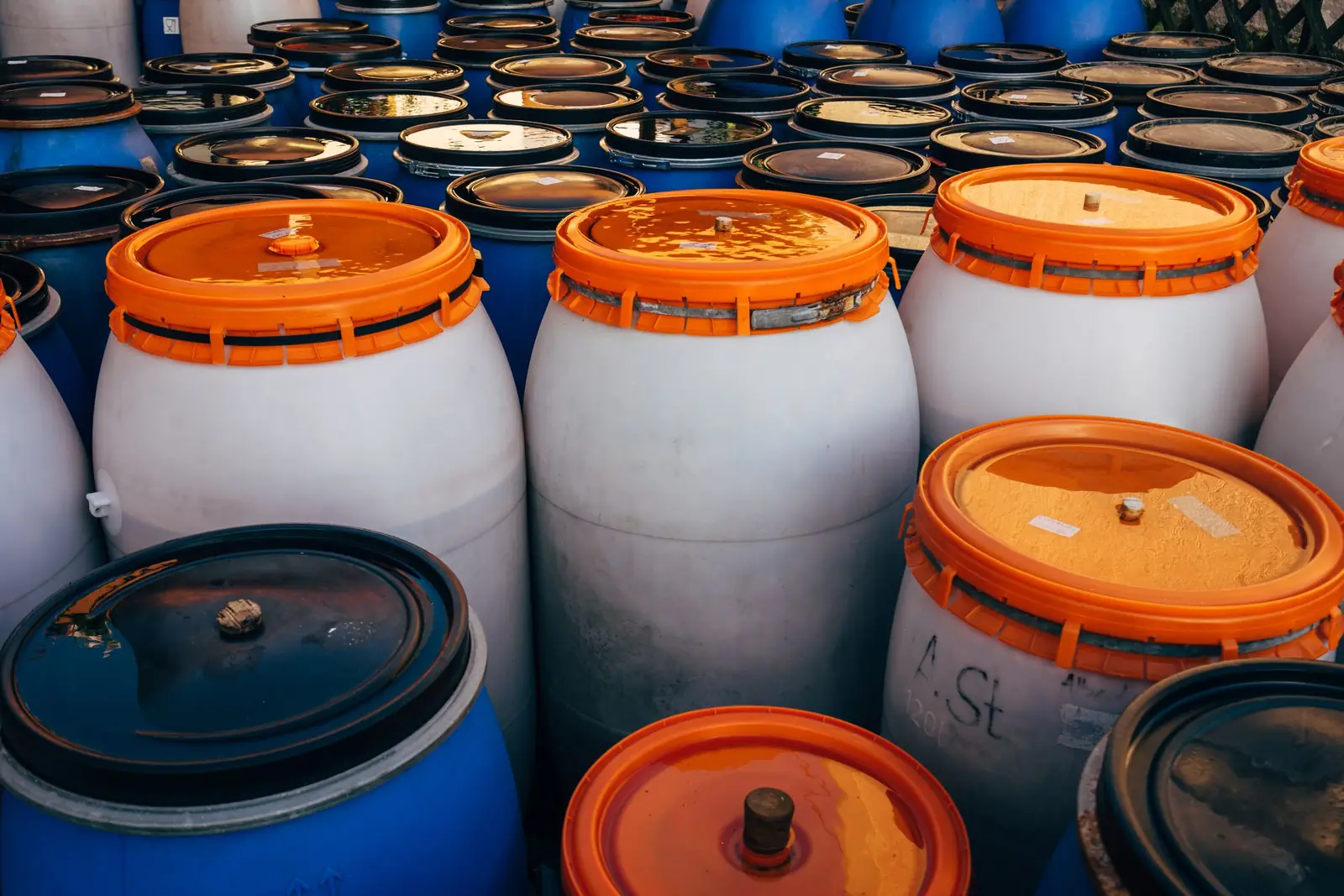
Coolants, cleaners, paints and adhesives: even mid-sized manufacturers quickly use several hundred products. EHS Go captures each new safety data sheet promptly, assigns the substance to hall and workstation and delivers a draft of the matching operating instruction along with it.
01Features
Upload the data sheet as a PDF. The AI identifies classification, hazard statements, storage class and protective measures, citing the section each value came from.
Name, classification, quantity range and work areas per substance – filter by site and department, export for authorities and audits.
New products pass an approval step before they are used on site, so unreviewed substances stay out.
Substance data feeds the draft operating instruction, and the risk assessment draws on the same information.
Previous versions stay archived, so you can always see which version applied at which time.
Employees open the data sheet and operating instruction in the app, right where the substance is used.
02Workflow
Upload the safety data sheet or import an existing register.
Check the AI result against the cited sections and confirm it.
Record work areas and quantities and approve the substance for use.
Generate the operating instruction, schedule training and update the risk assessment.
03Legal basis
In the EU, the content of safety data sheets is defined in Annex II of the REACH Regulation and classification follows the CLP Regulation. German employers must additionally keep a register of all hazardous substances used, referencing the data sheets (section 6 GefStoffV), and provide written operating instructions and training for work with them (section 14 GefStoffV).
Key regulations
This overview does not constitute legal advice.
04Working together
05Questions and answers
At a minimum: the name of the substance, its classification or hazardous properties, the quantity ranges used and the work areas in which employees may be exposed. The register must also reference the relevant safety data sheet.
The AI produces a draft, and every value shows the section of the safety data sheet it was taken from. That makes the result quick to verify before it is accepted.
No. Your documents are processed solely to handle your request and are not used to train models.
Yes. We migrate existing substance lists, for example from Excel, as part of onboarding.
In a personal demo we walk you through the platform based on your plants, halls and processes – and answer your questions on onboarding, data protection and cost.