Industries
EHS software for your manufacturing industry
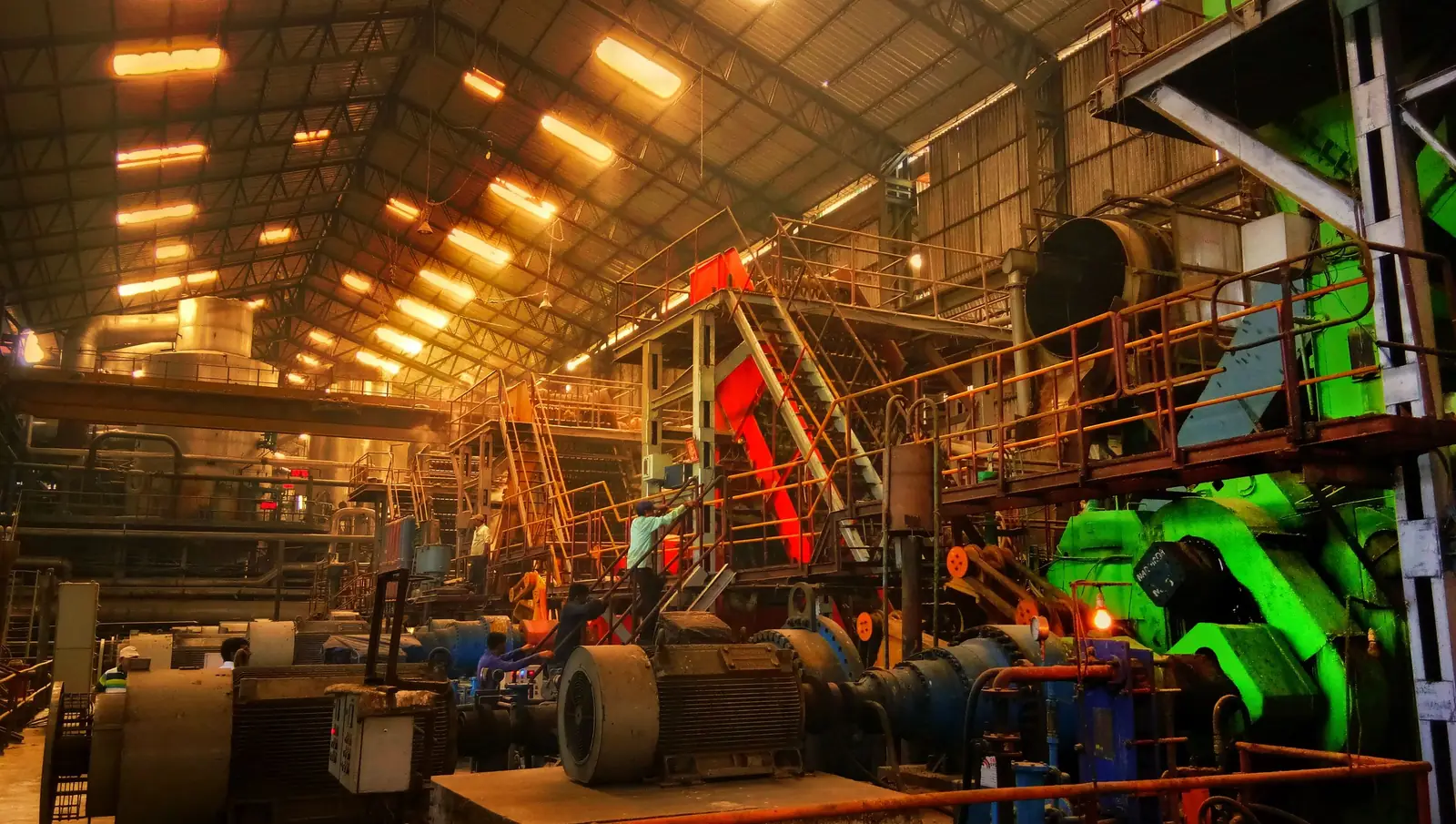
EHS Go is built for manufacturing companies. Health and safety duties are similar everywhere, but the priorities differ by industry – here is how manufacturers use EHS Go and which modules matter most to them.
Metalworking
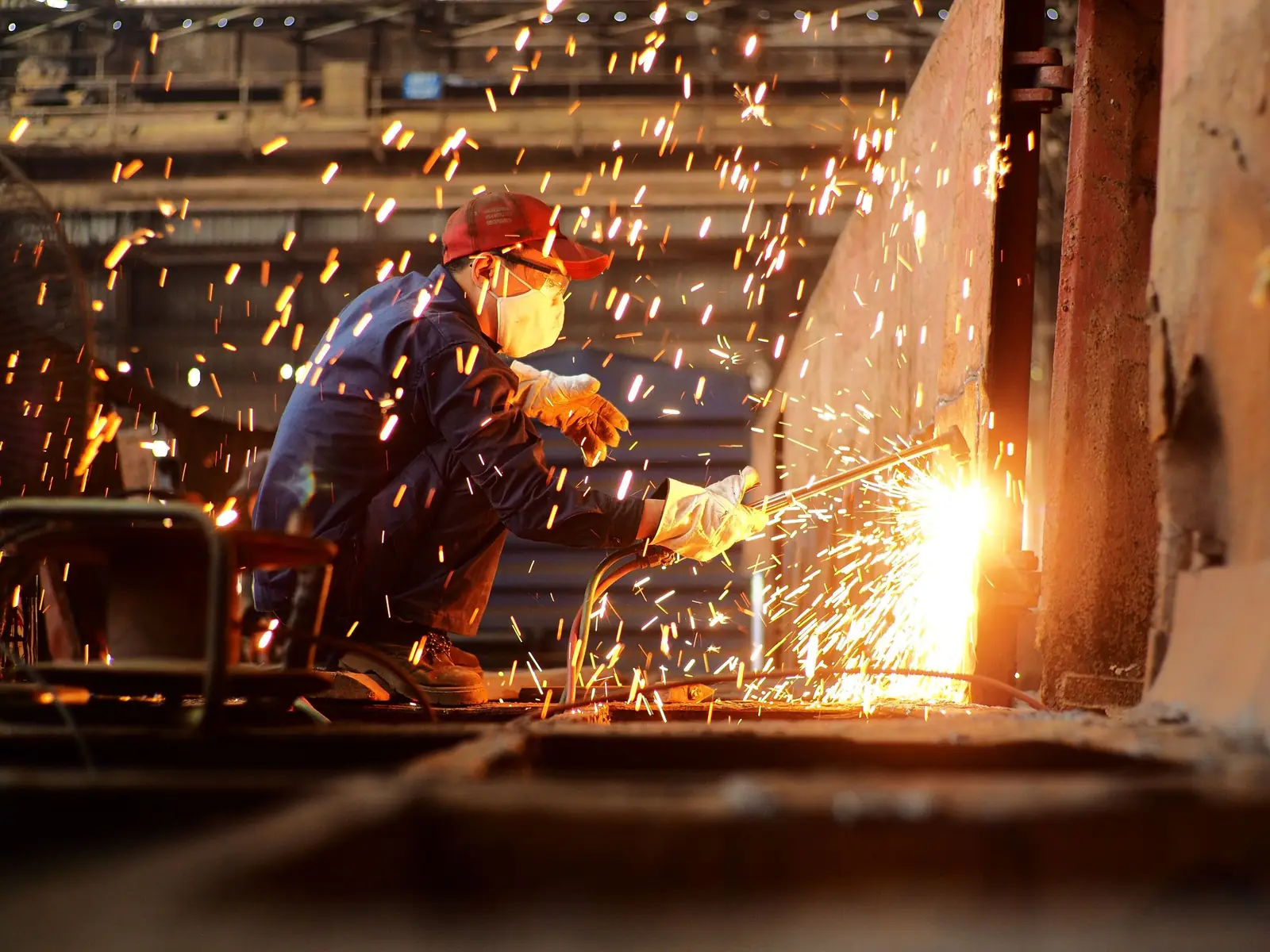
Welding, grinding, punching and bending: metalworking combines noise, flying sparks, hazardous substances and heavy loads. Anyone responsible for several halls and shifts needs reliable inspection deadlines and clear ownership.
Typical priorities
- Risk assessments for welding, grinding and press workstations
- Inspection of overhead cranes, lifting accessories and presses
- Training on noise, welding fumes and personal protective equipment across all shifts
Relevant modules
Machinery and plant engineering
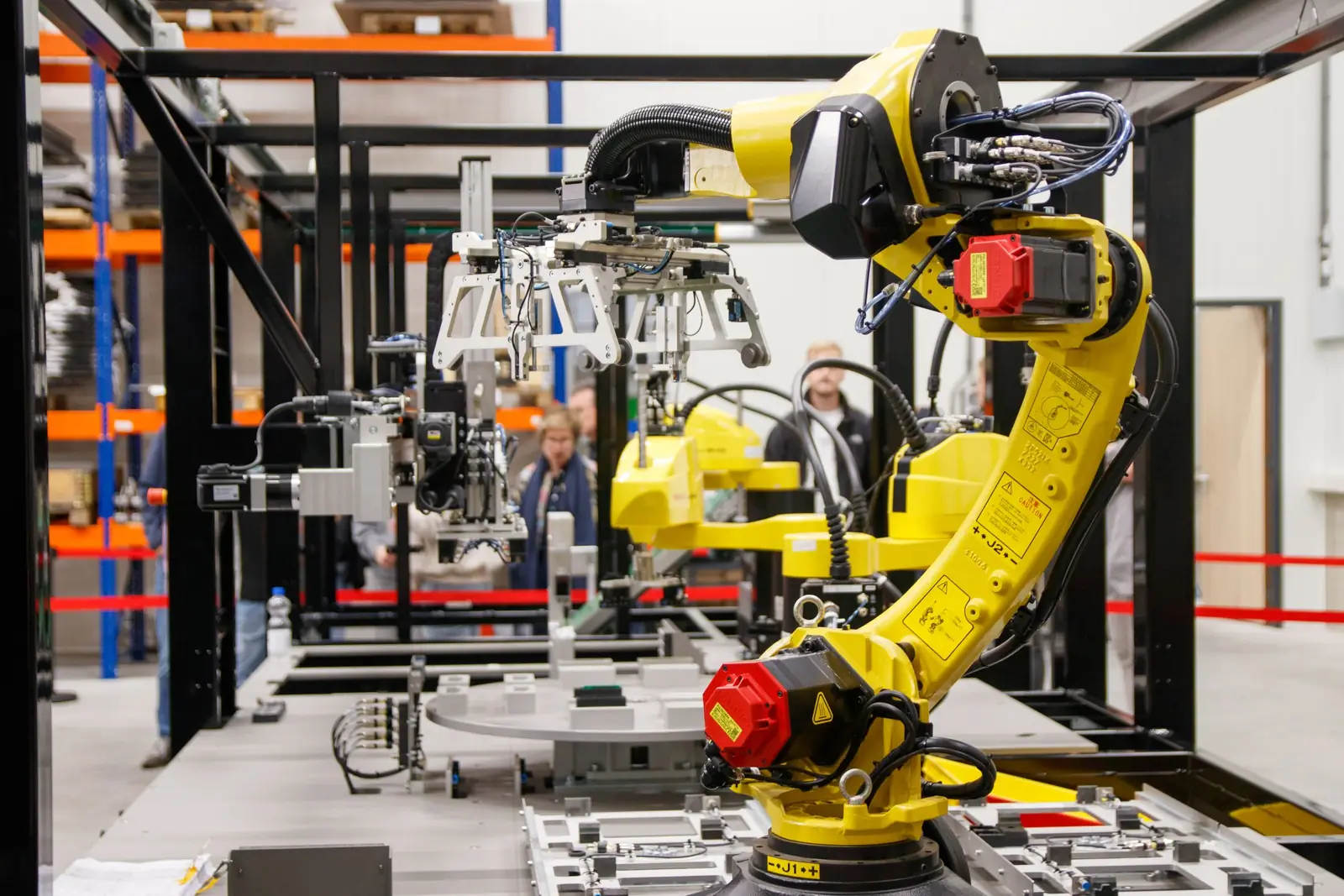
Assembly halls, test bays and commissioning at customer sites: in machinery and plant engineering, teams work in changing locations with changing hazards. EHS Go keeps training, qualifications and actions together – at your own plant and on field assignments.
Typical priorities
- Risk assessments for assembly, test bays and field installation
- Qualifications such as qualified electrician or crane operator with expiry dates
- Operating instructions for machines, test rigs and tools
Relevant modules
Automotive suppliers
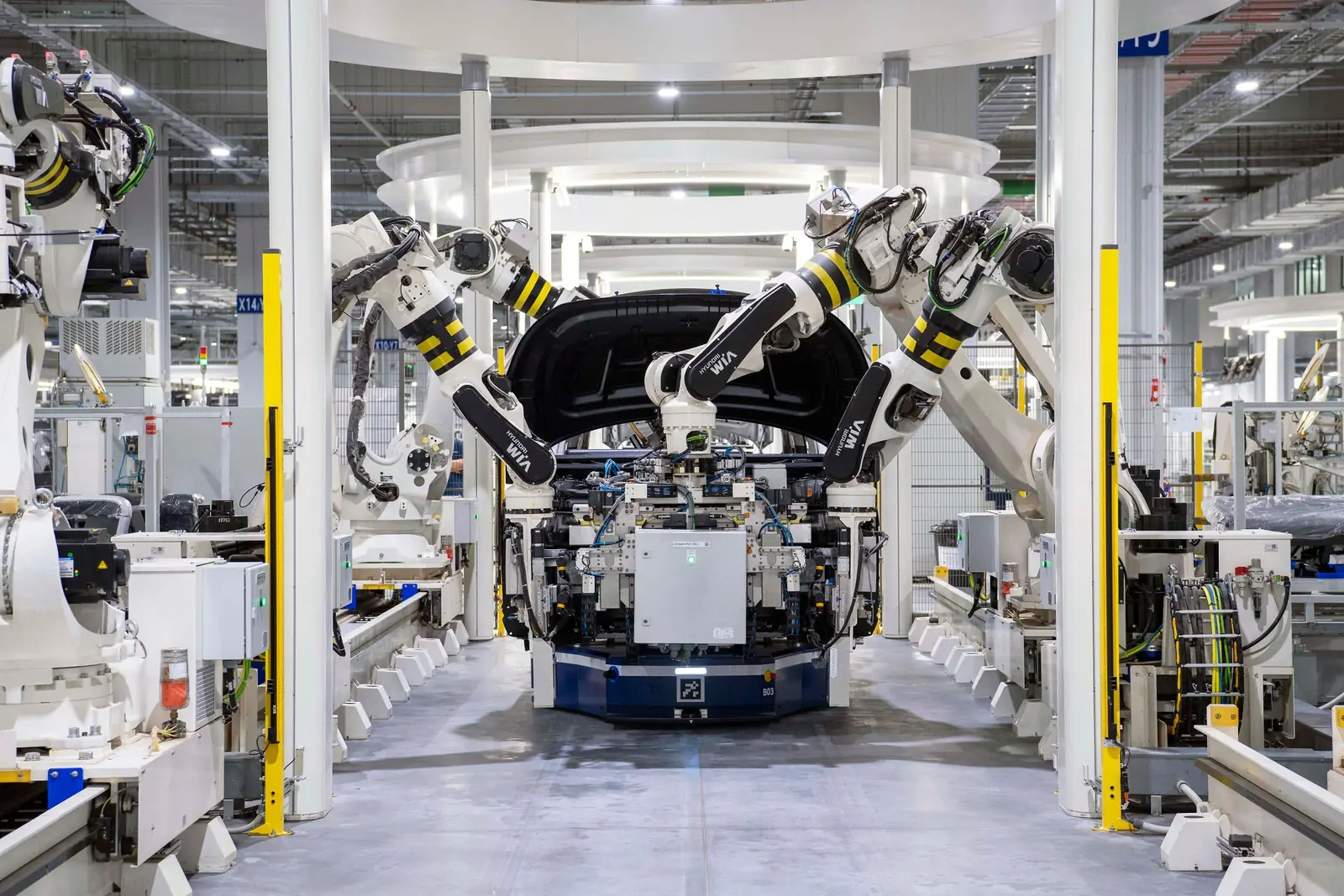
Cycle-based production, a high degree of automation and demanding customer requirements: suppliers must not only implement health and safety but also prove it in customer audits and certifications – often across several plants at home and abroad.
Typical priorities
- Consistent standards and rating scales across all plants
- Evidence for customer audits and certifications at the push of a button
- Tracking actions from audits and inspections with deadlines
Relevant modules
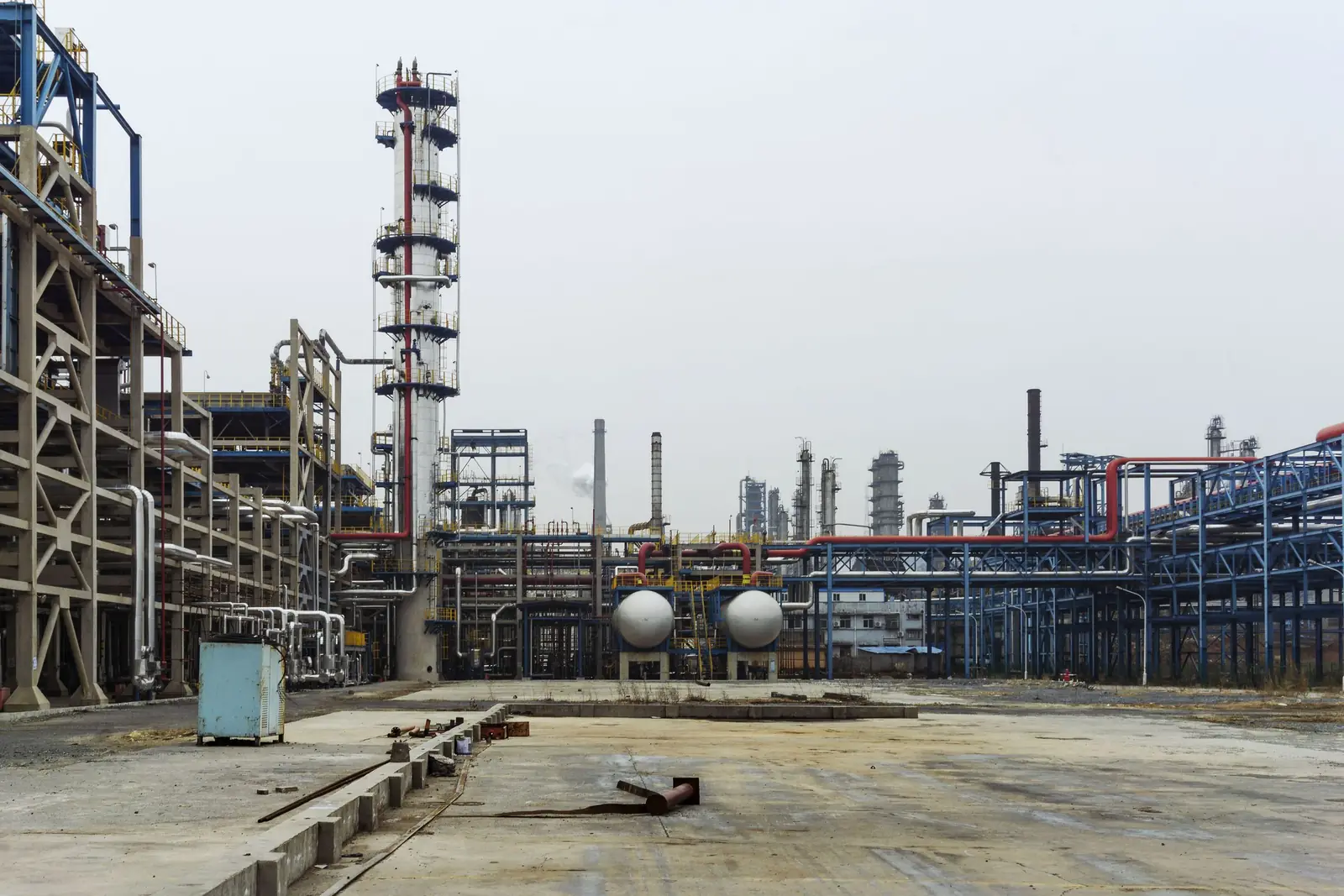
Chemicals and plastics
Hundreds of substances, different storage classes and a dedicated operating instruction for every task: in chemicals and plastics processing, chemical management is the core of health and safety – from approving new raw materials to training at the injection moulding machine.
Typical priorities
- Hazardous substances register with current safety data sheets
- Operating instructions structured according to TRGS 555
- Approval of new substances before their first use in production
Relevant modules
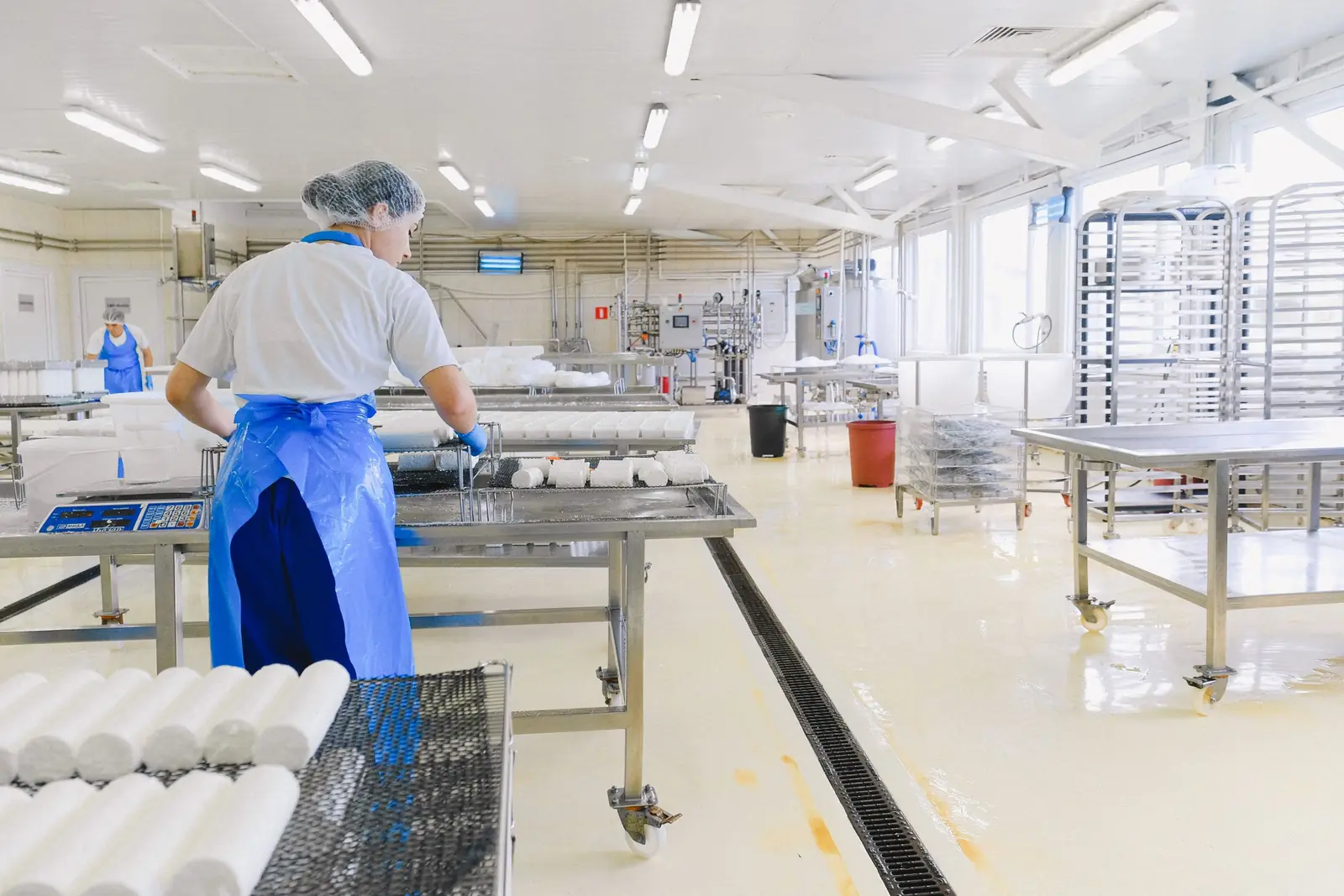
Food and packaging
Hygiene rules, cleaning chemicals, wet floors, cold and many external service providers: in food and packaging production, everyone on site must be registered and briefed – from the service technician to the auditor.
Typical priorities
- Check-in of visitors and contractors with a safety briefing
- Cleaning agents and disinfectants in the substances register
- Inspections in production, wet and cold-storage areas
Relevant modules
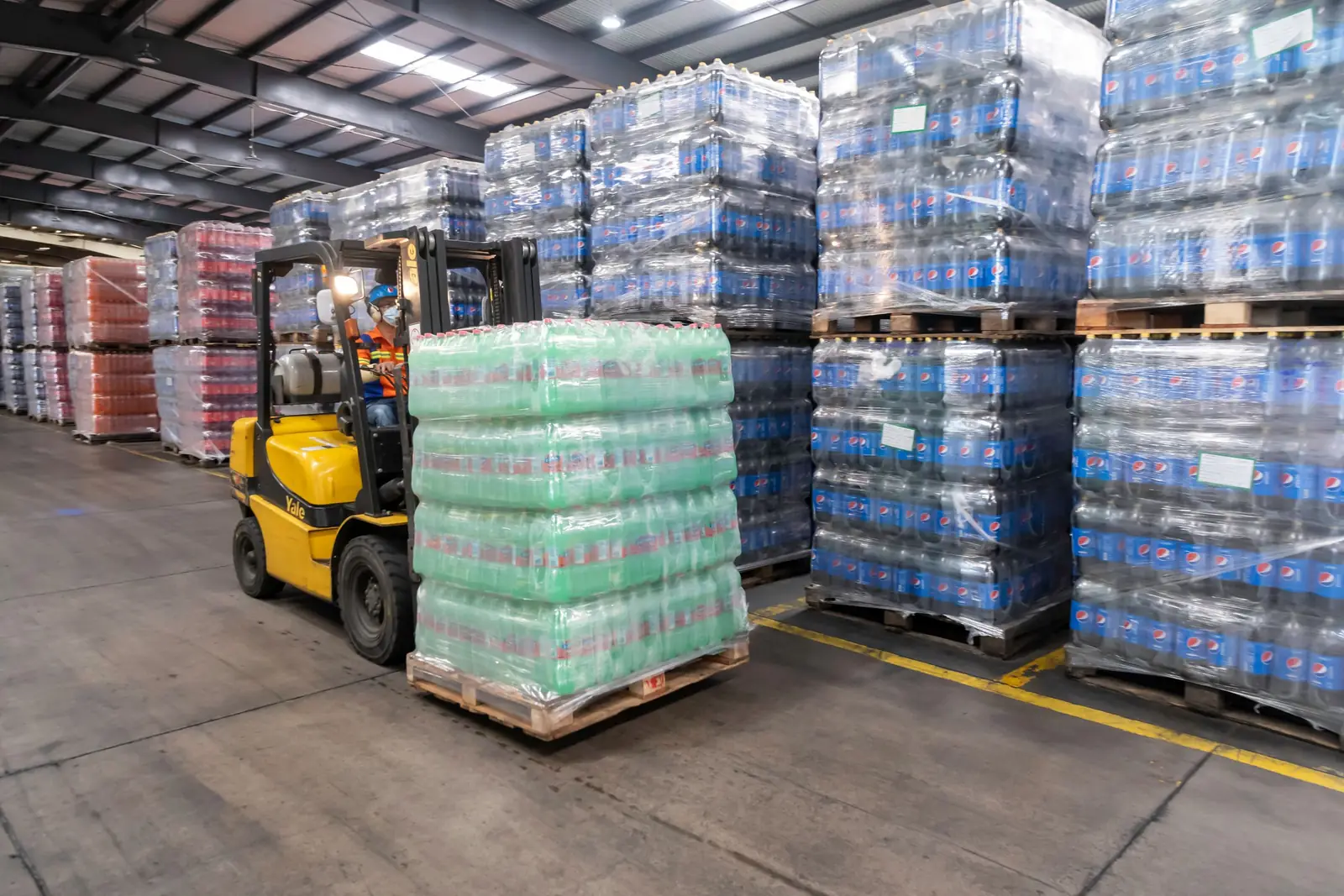
Production and warehouse logistics
Forklift trucks, racking, loading docks and doors: in plant and warehouse logistics, safety depends on inspection discipline and valid driving authorisations – often with changing staff and agency workers on multiple shifts.
Typical priorities
- Racking inspections and forklift truck checks
- Driving authorisations and training for changing teams
- Inspections of traffic routes, doors and loading docks
Relevant modules
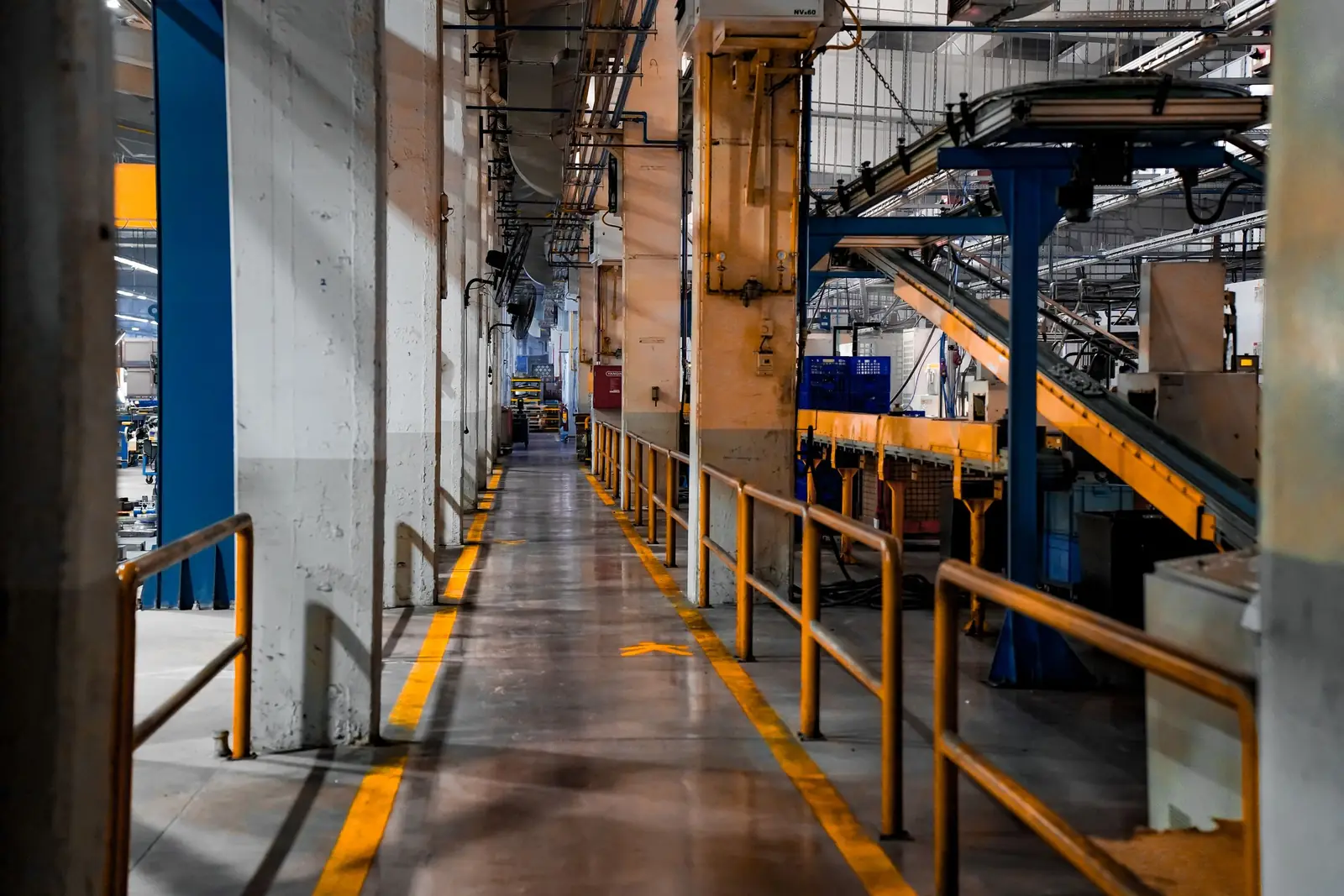
See EHS Go applied to the processes of your plant.
In a personal demo we walk you through the platform based on your plants, halls and processes – and answer your questions on onboarding, data protection and cost.